Prohibited-name notice filed as Stag London Limited enters liquidation
Stag London Limited, a retail clothing company registered in Finchley, has published a prohibited-name notice under section 216 of the Insolvency Act 1986 as it enters liquidation.
Information for general guidance, drawn from the public record. Not legal, financial, or insolvency advice. If you are affected by an insolvency, consult a licensed practitioner or qualified solicitor.
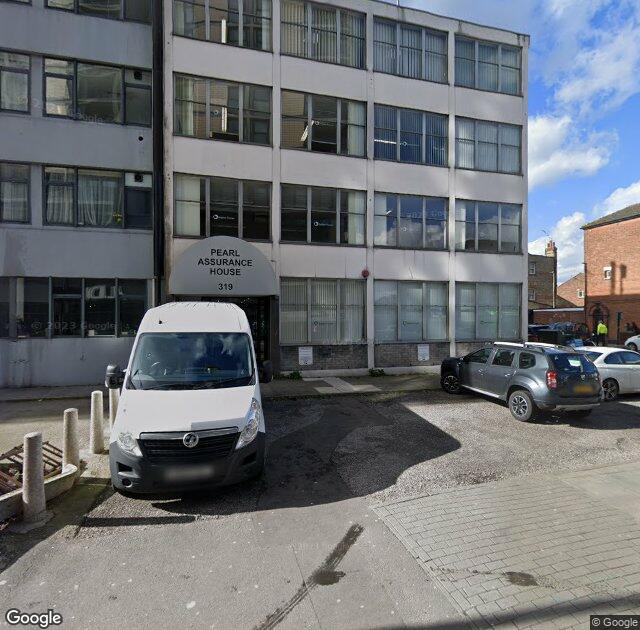
A prohibited-name notice has been published in the London Gazette in connection with Stag London Limited, a retail clothing company registered at Pearl Assurance House, 319 Ballards Lane, Finchley, London, N12 8LY. The notice appeared on 21 May 2026, with the company recorded as being in liquidation.
The notice was filed under section 216 of the Insolvency Act 1986, which bars a director of a company in liquidation from involvement in another company using the same or a similar name for five years, unless a statutory exception applies. Publication in the Gazette is one such exception, giving notice to the public that a connected person intends to carry on business under a name that would otherwise be prohibited.
The company
Stag London Limited was incorporated on 1 November 2016 and traded under SIC code 47710, covering retail sale of clothing in specialised stores. The company has no recorded name history, having operated throughout under its original name. Its last accounts were made up to 30 November 2024, with the next filing due by 31 August 2026.
The sole director on record is Martin Ian Squires, appointed on the date of incorporation and resident in England.
What the notice means
When a company goes into liquidation, section 216 of the Insolvency Act 1986 creates a default prohibition. Any person who was a director or shadow director in the twelve months before liquidation is restricted from acting in the management of a business trading under the same or a substantially similar name. The prohibition lasts five years.
One permitted exception allows that restriction to be lifted if a notice is placed in the Gazette within the required timeframe, alerting creditors and the public to the intended re-use of the name. This filing indicates that Squires, or another qualifying person connected to Stag London Limited, is seeking to rely on that exception.
For creditors and suppliers
Once a company enters liquidation, a licensed insolvency practitioner acts as liquidator, responsible for gathering the company's assets, adjudicating claims and distributing any available funds. Creditors owed money submit a proof of debt, the formal claim form used to evidence the amount owed, to the liquidator in due course.
Trade suppliers and others owed money without the backing of a charge over company assets rank as unsecured creditors. They are paid, where funds allow, after secured and preferential creditors. The Redundancy Payments Service handles claims from employees for unpaid wages, notice pay and statutory redundancy where a company cannot meet those obligations itself.
Common questions
Are you a director of the successor company?
A prohibited-name Gazette notice typically documents one of the three statutory exceptions to Section 216 of the Insolvency Act 1986 (the rule against re-use of a similar name by a former director of a liquidated company). The exception is only valid if the notice meets the timing and content requirements in the relevant Rule. Read more on prohibited names.
Do you trade with the successor company?
A valid notice does not by itself revive the liabilities of the liquidated company. The successor company is a separate legal entity and the directors are personally exposed only if Section 216 is breached.
Sources
- The London Gazette notice (code Moratoria, Prohibited Names and Other: Re-use of a Prohibited Name)
- Companies House record 10457131
- Editorial standards: how we source and review; five-pass pipeline.