Winding-up petition, then liquidation: director seeks to reuse Northern Resin Driveways name
Ian Moore has filed a prohibited name notice to reuse the Northern Resin Driveways name months after the Leeds driveway firm entered creditors' voluntary liquidation in December 2025.
Information for general guidance, drawn from the public record. Not legal, financial, or insolvency advice. If you are affected by an insolvency, consult a licensed practitioner or qualified solicitor.
Northern Resin Driveways Ltd went into creditors' voluntary liquidation on 8 December 2025, just weeks after a winding-up petition was filed against it in the High Court on 23 October 2025. Its sole director, Ian Moore, has since filed a prohibited name notice signalling his intention to carry on trading under the same name through a connected company.
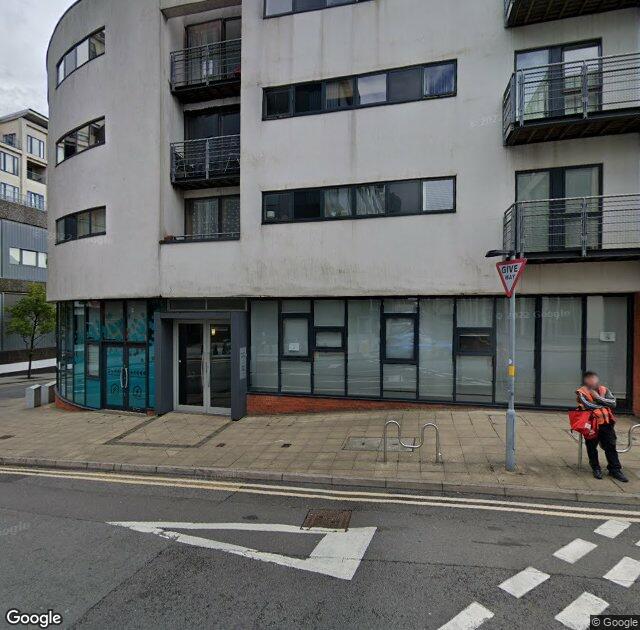
The Gazette published the notice on 21 May 2026. The company's registered address is listed as Suite E10, Joseph's Well, Hanover Walk, Leeds, with Premier House, Newhold, Garforth also appearing in the notice body.
The liquidation
Northern Resin Driveways Ltd was incorporated on 23 July 2020 and operated in the other building completion and finishing trades sector, classified under SIC code 43390, which covers work such as resin-bound driveways and decorative surfacing. Moore was appointed director on the date of incorporation and remained the sole officer.
The High Court of Justice (Chancery Division), under Companies Court reference CR-2025-007436 of 2025, recorded the winding-up petition on 23 October 2025. The petition was presented by a creditor, though the petitioning party is not named in the available data. Less than seven weeks later, on 8 December 2025, the company passed an extraordinary resolution to wind up voluntarily. The appointment of a voluntary liquidator was filed at Companies House on 17 December 2025.
A creditors' voluntary liquidation is a formal insolvency process in which the company's shareholders resolve to wind it up and a licensed insolvency practitioner is appointed to realise assets and distribute proceeds to creditors. It differs from a compulsory winding-up ordered by a court. In this case, the petition had already been lodged before the voluntary route was taken.
The prohibited name issue
Section 216 of the Insolvency Act 1986 prohibits a director of a company that has entered insolvent liquidation from being involved in another company that uses the same or a substantially similar name for five years, unless one of the statutory exceptions applies. One such exception permits reuse if the director gives the required notice to creditors of the liquidating company and publishes it in the Gazette. The 21 May 2026 notice is that publication.
Moore already directs an active company called Northern Decorative Surfacing Limited, which appears on Companies House records. That name is distinct from Northern Resin Driveways, but the Gazette notice makes clear that Moore is also seeking to operate under the Northern Resin Driveways name going forward.
What this means for creditors and suppliers
Once a company enters creditors' voluntary liquidation, the appointed liquidator takes over the handling of creditor claims. Creditors submit a proof of debt, the formal claim form used to evidence the amount owed, and the liquidator assesses and ranks those claims before making any distributions from realised assets.
Trade suppliers, subcontractors and customers who paid deposits or had work left incomplete rank as unsecured creditors, meaning they are paid only after secured creditors and the costs of the liquidation itself have been met. Unsecured creditors frequently recover little or nothing, depending on what assets the company held.
Employees with outstanding wages, notice pay or redundancy entitlements are treated as preferential creditors for certain categories of arrears. Where a company cannot meet those payments, the Redundancy Payments Service, a government body, exists to meet eligible claims up to statutory limits and then stands in the creditors' queue in place of the employee.
The prohibited name notice process gives creditors of the old company visibility of the director's intention to continue under the same or similar trading name, so they can factor that into any decisions about extending credit or entering contracts with the successor entity.
Common questions
Are you a director of the successor company?
A prohibited-name Gazette notice typically documents one of the three statutory exceptions to Section 216 of the Insolvency Act 1986 (the rule against re-use of a similar name by a former director of a liquidated company). The exception is only valid if the notice meets the timing and content requirements in the relevant Rule. Read more on prohibited names.
Do you trade with the successor company?
A valid notice does not by itself revive the liabilities of the liquidated company. The successor company is a separate legal entity and the directors are personally exposed only if Section 216 is breached.
Sources
- The London Gazette notice (code Moratoria, Prohibited Names and Other: Re-use of a Prohibited Name)
- Companies House record 12763386
- Editorial standards: how we source and review; five-pass pipeline.