Manchester café incorporated in 2024 collapses into liquidation inside two years
Coffee 90 Delice Limited, a Manchester café business incorporated in May 2024, has entered liquidation and triggered a prohibited-name notice handled by Beesley Corporate Recovery.
Information for general guidance, drawn from the public record. Not legal, financial, or insolvency advice. If you are affected by an insolvency, consult a licensed practitioner or qualified solicitor.
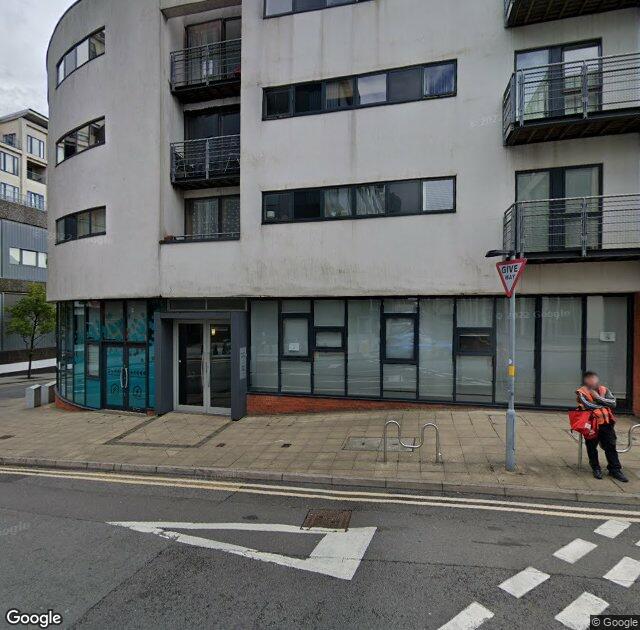
Coffee 90 Delice Limited was incorporated on 11 May 2024 and is already in liquidation, less than two years after formation. The company operated under SIC code 56102, which covers unlicensed restaurants and cafés. It was registered at Unit 1 Mansion House, 3-5 Keepers Quay, Manchester, M4 6GL before its registered address moved to Suite 4C, Manchester International Office Centre, Styal Road, Wythenshawe, Greater Manchester, M22 5WB.
A notice of re-use of a prohibited name was published in The Gazette on 19 May 2026. Under section 216 of the Insolvency Act 1986, a director of a company that has entered liquidation cannot be involved in another company using the same or a similar name for five years, unless one of the statutory exceptions applies. The notice indicates that someone connected to the insolvent company intends to rely on one of those exceptions.
Beesley Corporate Recovery is handling the wind-down. A virtual meeting of creditors was convened for 13 May 2026, according to a separate Gazette notice published ahead of the prohibited-name filing.
Fatima Zahra Sbai was the sole director of Coffee 90 Delice Limited, appointed on 11 May 2024, the same day the company was incorporated.
No secured charges were registered against the company at Companies House, so no secured lenders rank ahead of other creditors in the distribution of any assets.
For creditors and customers
In a liquidation, the office holders at Beesley Corporate Recovery handle creditors' claims and issue statutory communications to known creditors in due course. Correspondence is conducted through the firm.
Creditors wishing to evidence what they are owed do so by submitting a proof of debt, which is the formal claim form used in insolvency proceedings to set out the amount a creditor says it is owed.
Once a company enters liquidation, a moratorium takes effect under the Insolvency Act 1986, pausing most creditor enforcement action. Creditors generally cannot start or continue court proceedings against the company without the court's permission.
Customers who paid for goods or services that were never delivered, or who hold gift cards or deposits, rank as unsecured creditors. Unsecured creditors are those whose debts are not backed by a charge over company assets, and they rank behind any preferential creditors in the distribution of whatever funds are realised.
Employees with outstanding wage, notice pay or redundancy claims are treated as preferential creditors for some categories of arrears. The Redundancy Payments Service, part of the Insolvency Service, processes statutory redundancy and related payments to employees where a company cannot meet those obligations itself.
Common questions
Are you a director of the successor company?
A prohibited-name Gazette notice typically documents one of the three statutory exceptions to Section 216 of the Insolvency Act 1986 (the rule against re-use of a similar name by a former director of a liquidated company). The exception is only valid if the notice meets the timing and content requirements in the relevant Rule. Read more on prohibited names.
Do you trade with the successor company?
A valid notice does not by itself revive the liabilities of the liquidated company. The successor company is a separate legal entity and the directors are personally exposed only if Section 216 is breached.
Sources
- The London Gazette notice (code Moratoria, Prohibited Names and Other: Re-use of a Prohibited Name)
- Companies House record 15714060
- Editorial standards: how we source and review; five-pass pipeline.