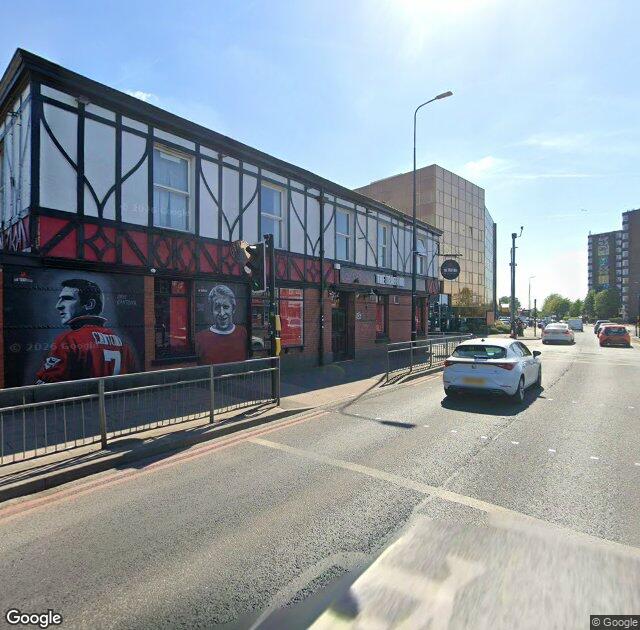
Lancashire hospitality venues Riverside Shard and The Mill at Conder Green enter moratorium
Two Lancashire hospitality venues, Riverside Shard and The Mill at Conder Green, have entered a moratorium, pausing creditor action against the partnership.
Information for general guidance, drawn from the public record. Not legal, financial, or insolvency advice. If you are affected by an insolvency, consult a licensed practitioner or qualified solicitor.

Moratorium commencement
Riverside Shard and The Mill at Conder Green, two Lancashire hospitality venues operated by Paul Hurst and Paul Evans Hurst, have entered a moratorium. This legal pause began on 26 March 2020. It halts most creditor enforcement actions against the partnership. The notice is a procedural step, and no administrators have been appointed yet.
The partnership uses the registered address of The Shard Riverside Inn, Old Bridge Lane, Hambleton, Poulton-Le-Fylde, Lancashire, FY6 9BT. It also has a second trading address listed at The Mill at Conder Green, Thurnham Mill Lane, Conder Green, Lancaster, Lancashire LA2 0BD.
Understanding the moratorium
A moratorium is a pause on creditor action. It applies when a company or partnership enters specific insolvency processes. Under Schedule B1 of the Insolvency Act 1986, this prevents creditors from starting or continuing court proceedings against the entity unless they have permission from the court. The process provides time for the business to explore restructuring or other arrangements.
For customers and suppliers, the moratorium means that most existing legal claims for payment or delivery are suspended for now. If creditors wish to make formal claims, they must submit them through administrators after an appointment is made. This process usually requires a proof of debt form, which is a formal document detailing the money owed. Administrators will handle all correspondence and claims from the contact address of the firm.
Common questions
Are you owed money by this company?
You are an unsecured creditor unless you hold a registered charge or retention of title. The administrators will write to known creditors in due course with a proof-of-debt form and timetable for the first meeting. Until that letter arrives, no formal action is required from you. Read more about proof of debt and where you sit in the creditor hierarchy.
Did you work at this company?
Wages owed up to a statutory cap, holiday pay, notice pay and redundancy may be claimable from the Redundancy Payments Service if the company is unable to pay. The administrators will normally coordinate the RP1 claim with the affected staff. See gov.uk: your rights if your employer is insolvent.
Do you hold a deposit, gift card or undelivered order from this company?
Customers with paid-but-undelivered orders, gift cards or deposits typically rank as unsecured creditors. Where you paid by credit card and the amount was over £100, Section 75 of the Consumer Credit Act 1974 may let you claim from the card issuer for breach of contract or misrepresentation by the supplier; the rules apply per item, not per transaction, and the card must be a regulated credit card. Debit-card payments may be recoverable via chargeback.
Are you a director of a company connected to this company?
Watch for Section 216 of the Insolvency Act 1986 if you intend to keep trading under a similar name in a successor company. The rule prohibits a director of a liquidated company from being involved in another company using the same or a similar name for five years, unless one of the statutory exceptions applies. Read more about Section 216.
Sources
- The London Gazette notice (code Moratoria, Prohibited Names and Other: Moratorium: Coming into Force)
- Editorial standards: how we source and review; five-pass pipeline.