Chew Valley Inns Limited faces winding-up petition from energy supplier
Yu Energy Retail Limited filed a winding-up petition against Chew Valley Inns Limited on 28 May 2026, with a hearing set for 15 July at the Rolls Building. Full notice and Companies House record.
Information for general guidance, drawn from the public record. Not legal, financial, or insolvency advice. If you are affected by an insolvency, consult a licensed practitioner or qualified solicitor.
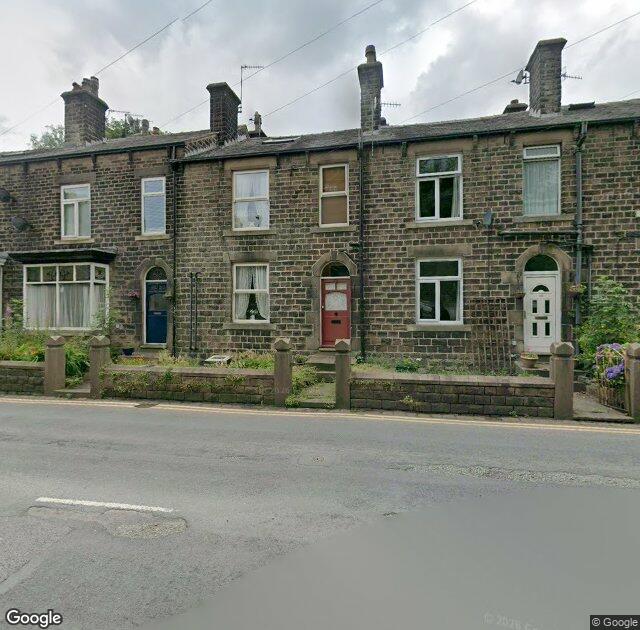
Yu Energy Retail Limited presented a petition to wind up Chew Valley Inns Limited on 28 May 2026, naming the Oldham pub operator at its registered address at the Clarence Hotel, 180 Chew Valley Road, Greenfield, Oldham.
A winding-up petition is a court filing by a creditor asking the court to make a winding-up order. Filing a petition does not put the company into liquidation; the court must first make the order at a hearing. That hearing is listed for 10:30 on Wednesday 15 July 2026 before the Insolvency and Companies List (ChD), the specialist list within the Chancery Division of the High Court that hears insolvency and company-law applications, sitting at the Rolls Building, 7 Rolls Buildings, Fetter Lane, London.
The petition carries court number CR-2026-004056 and was brought under the Insolvency Act 1986. Yu Energy Retail Limited, registered at CPK House, 2 Horizon Place, Nottingham Business Park, Mellors Way, Nottingham, claims to be a creditor of the company. Its legal team's postal address is given as The Energy Centre, 2 Northgate Street, Leicester.
About Chew Valley Inns Limited
Chew Valley Inns Limited was incorporated on 9 April 2024, making it just over two years old when the petition was filed. Its SIC code is 56302, which covers public houses and bars. The company filed its most recent accounts as a micro-entity, made up to 31 July 2025.
The company has no registered secured charges.
The directors
James Richard Wall has been a director since incorporation on 9 April 2024 and remains in post. Janet Wall was appointed on the same date but resigned on 5 February 2026.
What happens next
Anyone intending to appear at the hearing, whether to support or oppose the petition, must give notice in accordance with rule 7.14 of the Insolvency (England and Wales) Rules 2016 by 16:00 on the day before the hearing. If the court makes a winding-up order, the company would enter compulsory liquidation, a court-imposed process distinct from a creditors' voluntary liquidation resolved by the company's own members.
Common questions
What does a winding-up petition mean for Chew Valley Inns Limited?
A petition is a court filing, not a court order. Chew Valley Inns Limited is not yet in liquidation. The court will consider the petition at the date listed in the notice; until then, the company continues to trade, but its bank may freeze accounts and counterparties may stop extending credit. The court can dismiss the petition, adjourn it, or grant a winding-up order.
Are you owed money by Chew Valley Inns Limited?
You are not yet a creditor in a liquidation; the company is still trading. If you support the petition, you may file a notice of support at the court named in the notice. If the petition is granted, you become an unsecured creditor in the resulting compulsory liquidation and the Official Receiver will invite you to submit a proof of debt.
Did you work at Chew Valley Inns Limited?
A petition does not by itself terminate your employment. Wages and holiday pay continue to accrue until the company stops paying you or is wound up. Watch the bank position closely; if accounts are frozen, payroll will be the first thing to fail. If the petition is granted, statutory redundancy and notice claims become payable from the Redundancy Payments Service.
Are you a director of Chew Valley Inns Limited?
Once a petition is filed, the company's directors have a heightened duty to consider the interests of creditors. Continuing to trade where there is no reasonable prospect of avoiding insolvent liquidation can expose directors to personal liability for wrongful trading under Section 214 of the Insolvency Act 1986. Specialist insolvency advice should be taken immediately.
Sources
- The London Gazette notice (code Petitions to Wind Up (Companies))
- Companies House record 15629759
- Court: High Court of Justice
- Editorial standards: how we source and review; five-pass pipeline.