New Claire Wine Limited enters creditors' voluntary liquidation
New Claire Wine Limited, registered in SE18, passed a winding-up resolution on 19 May 2026 and appointed a liquidator two days later. Full notice and Companies House record.
Information for general guidance, drawn from the public record. Not legal, financial, or insolvency advice. If you are affected by an insolvency, consult a licensed practitioner or qualified solicitor.

Members of New Claire Wine Limited voted on 19 May 2026 to wind up the company through a creditors' voluntary liquidation. In this process, insolvent company directors ask shareholders to resolve to close the business without a court order. The liquidator's authorisation was signed two days later, on 21 May 2026.
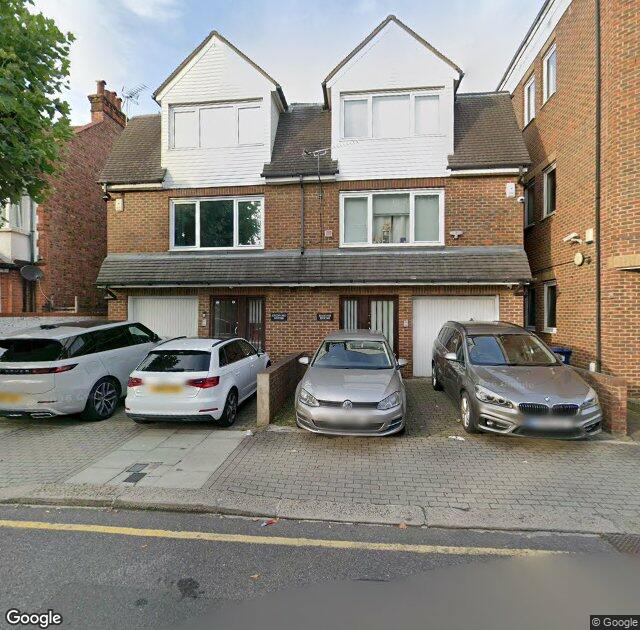
The company is registered at Unit 7, 214 Westfield Street, London, SE18 5PH.
The liquidator
Giles McCarthy of Netchwood Finance Limited has been appointed liquidator, holding IP number 9452. A liquidator is the licensed insolvency practitioner who realises a company's assets and distributes the proceeds to creditors. McCarthy's appointment takes effect from 21 May 2026.
No secured charges are registered against New Claire Wine Limited at Companies House, and no court was involved in the appointment.
What is a CVL?
A creditors' voluntary liquidation is an insolvent winding-up resolved by the company's members at the request of its directors, without a court order. It is the single largest stream of UK corporate insolvency by volume. Once a CVL resolution passes, a liquidator takes control of the company, investigates its affairs, and works to recover whatever value remains for those owed money.
Creditors wishing to register a claim should contact McCarthy at Netchwood Finance Limited. The London Gazette published notice of the resolution on 26 May 2026.
Common questions
Are you owed money by this company?
In a creditors' voluntary liquidation you are an unsecured creditor unless you hold a registered charge or retention of title. The liquidators will write to known creditors with a proof-of-debt form. A statement of affairs prepared by the directors and the chair of the creditors' decision procedure should be available on request. Read more about proof of debt and where you sit in the creditor hierarchy.
Did you work at this company?
In a CVL, employees are typically dismissed at or shortly after the liquidator's appointment. Wages owed up to a statutory cap, holiday pay, notice pay and redundancy may be claimable from the Redundancy Payments Service. The liquidators will normally provide RP1 case-reference numbers to the affected staff. See gov.uk: your rights if your employer is insolvent.
Do you hold a deposit, gift card or undelivered order from this company?
Customers with paid-but-undelivered orders, gift cards or deposits rank as unsecured creditors in the liquidation. Where you paid by credit card and the amount was over £100, Section 75 of the Consumer Credit Act 1974 may let you claim from the card issuer for breach of contract or misrepresentation by the supplier; the rules apply per item, not per transaction, and the card must be a regulated credit card. Debit-card payments may be recoverable via chargeback.
Are you a director of a company connected to this company?
Section 216 of the Insolvency Act 1986 applies the moment the company enters liquidation. If you intend to be involved in another company using the same or a similar name within five years, you must rely on one of the three statutory exceptions and file the relevant notice. Acting in breach is a criminal offence and exposes you to personal liability for the successor's debts.
Sources
- The London Gazette notice (code Resolutions for Winding-up)
- Editorial standards: how we source and review; five-pass pipeline.