Swift Carpets and Flooring Ltd faces HMRC winding-up petition at High Court
HMRC presented a winding-up petition against a Devon flooring retailer on 14 April 2026, with a High Court hearing listed for 10 June 2026. Full notice and Companies House record.
Information for general guidance, drawn from the public record. Not legal, financial, or insolvency advice. If you are affected by an insolvency, consult a licensed practitioner or qualified solicitor.
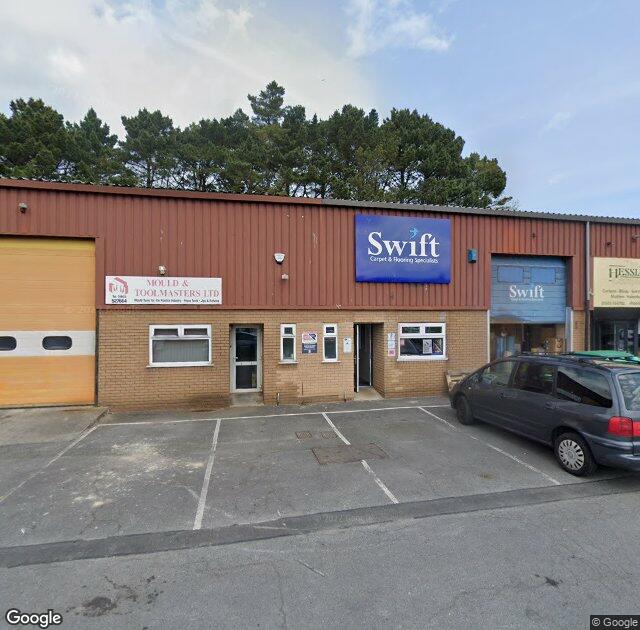
HMRC presented a winding-up petition against Swift Carpets and Flooring Ltd, a flooring retailer registered in Paignton, Devon, on 14 April 2026. The case, numbered CR-2026-002908, is listed for hearing at the High Court of Justice (Chancery Division) on 10 June 2026.
A winding-up petition is a court filing by a creditor asking the court to make a winding-up order. Filing a petition does not place the company into liquidation; the court must first make the order at a hearing. The Commissioners for HM Revenue and Customs presented the petition, claiming to be creditors of the company.
The hearing is scheduled for 10:30 at the Royal Courts of Justice, 7 Rolls Building, Fetter Lane, London. Anyone wishing to appear, whether to support or oppose the petition, must give notice to HMRC or its solicitor by 16:00 on 9 June 2026. HMRC's solicitor is the General Counsel and Solicitor to His Majesty's Revenue and Customs, reachable at 14 Westfield Avenue, Stratford, London, on 03000 544244, quoting reference 2123245.
The company
Swift Carpets and Flooring Ltd is registered at Unit 6 Trojan Industrial Estate, Borough Close, Paignton, Devon, TQ4 7EP. The company trades in the retail sale of carpets, rugs, wall and floor coverings under SIC code 47530. It was incorporated on 13 July 2010 and its Companies House status is listed as active.
The sole director is Benjamin Norton, who has held the role since incorporation on 13 July 2010. No secured charges are registered against Swift Carpets and Flooring Ltd at Companies House.
The petition
The petition was published in the London Gazette on 29 May 2026 and authorised on 27 May 2026. Creditors and other interested parties who intend to appear at the 10 June hearing must give notice before the 9 June deadline in accordance with Rule 7.14 of the Insolvency Rules.
Compulsory liquidation is a court-imposed process, distinct from a creditors' voluntary liquidation resolved by the company's own members. Whether the court makes any order at the June hearing is a matter for the court alone. The petition at this stage is a filing, not a determination.
Common questions
What does a winding-up petition mean for Swift Carpets and Flooring Limited?
A petition is a court filing, not a court order. Swift Carpets and Flooring Limited is not yet in liquidation. The court will consider the petition at the date listed in the notice; until then, the company continues to trade, but its bank may freeze accounts and counterparties may stop extending credit. The court can dismiss the petition, adjourn it, or grant a winding-up order.
Are you owed money by Swift Carpets and Flooring Limited?
You are not yet a creditor in a liquidation; the company is still trading. If you support the petition, you may file a notice of support at the court named in the notice. If the petition is granted, you become an unsecured creditor in the resulting compulsory liquidation and the Official Receiver will invite you to submit a proof of debt.
Did you work at Swift Carpets and Flooring Limited?
A petition does not by itself terminate your employment. Wages and holiday pay continue to accrue until the company stops paying you or is wound up. Watch the bank position closely; if accounts are frozen, payroll will be the first thing to fail. If the petition is granted, statutory redundancy and notice claims become payable from the Redundancy Payments Service.
Are you a director of Swift Carpets and Flooring Limited?
Once a petition is filed, the company's directors have a heightened duty to consider the interests of creditors. Continuing to trade where there is no reasonable prospect of avoiding insolvent liquidation can expose directors to personal liability for wrongful trading under Section 214 of the Insolvency Act 1986. Specialist insolvency advice should be taken immediately.
Sources
- The London Gazette notice (code Petitions to Wind Up (Companies))
- Companies House record 07312945
- Court: High Court of Justice (Chancery Division), case CR-2026-002908
- Editorial standards: how we source and review; five-pass pipeline.