Glow Node Ltd enters creditors' voluntary liquidation in June 2026
Glow Node Ltd, a Lancashire-registered engineering services company trading from Exeter, entered creditors' voluntary liquidation on 10 June 2026. Full notice and Companies House record.
Information for general guidance, drawn from the public record. Not legal, financial, or insolvency advice. If you are affected by an insolvency, consult a licensed practitioner or qualified solicitor.
Members and creditors of Glow Node Ltd resolved to wind up the engineering services company through a creditors' voluntary liquidation on 10 June 2026, with Anderson Brookes Insolvency Practitioners Limited named to handle the case.
A creditors' voluntary liquidation is an insolvent winding-up resolved by the company's members at the request of its directors, without a court order. It is the most common route into formal insolvency for small limited companies in England and Wales.
The company
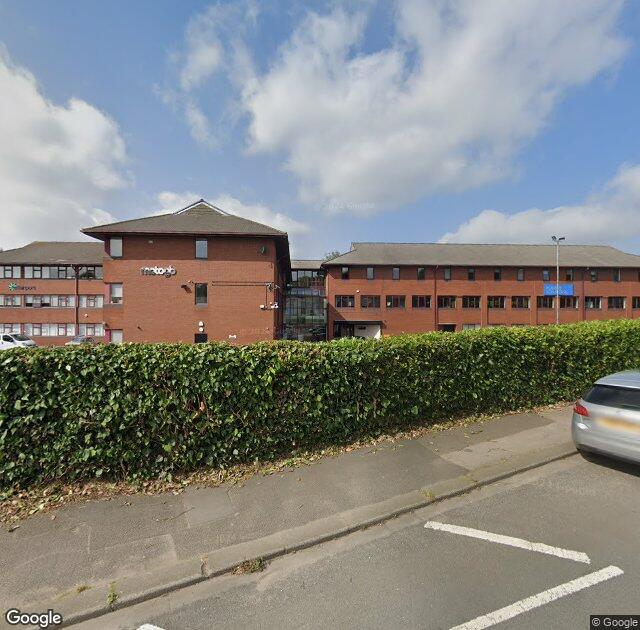
Glow Node Ltd was incorporated on 9 April 2022 and carried out work classified under SIC code 71129, covering other engineering activities. Its registered office is at 1st Floor, Fairclough House, Church Street, Chorley, Lancashire, PR7 4EX, though the company's principal trading address was listed as Forde House, Park Five Business Centre, Harrier Way, Exeter, Devon, EX2 7HU. The company filed its last accounts as a micro-entity, made up to 30 April 2025.
The directors
Ryan John Beasley and Samuel Philip Bradbury were both appointed directors on 9 April 2022, the day of incorporation. Neither has a recorded resignation on the Companies House register, and both are resident in England.
The liquidators
Anderson Brookes Insolvency Practitioners Limited has been appointed liquidator. The Gazette notice names Emmie Clarke as the contact at the firm, reachable on 01204 255 051 or by email at emmie.clarke@andersonbrookes.co.uk. No individual IP numbers were included in the notice.
Secured charges
No secured charges are registered against Glow Node Ltd at Companies House, so the general body of unsecured creditors faces no prior-ranking security in the liquidation. A proof of debt is the formal claim form used to evidence the amount owed to each creditor; the process for submitting one will be communicated by Anderson Brookes Insolvency Practitioners Limited in the ordinary course of the case.
Common questions
Are you owed money by Glow Node Limited?
In a creditors' voluntary liquidation you are an unsecured creditor unless you hold a registered charge or retention of title. The liquidators will write to known creditors with a proof-of-debt form. A statement of affairs prepared by the directors and the chair of the creditors' decision procedure should be available on request. Read more about proof of debt and where you sit in the creditor hierarchy.
Did you work at Glow Node Limited?
In a CVL, employees are typically dismissed at or shortly after the liquidator's appointment. Wages owed up to a statutory cap, holiday pay, notice pay and redundancy may be claimable from the Redundancy Payments Service. The liquidators will normally provide RP1 case-reference numbers to the affected staff. See gov.uk: your rights if your employer is insolvent.
Do you hold a deposit, gift card or undelivered order from Glow Node Limited?
Customers with paid-but-undelivered orders, gift cards or deposits rank as unsecured creditors in the liquidation. Where you paid by credit card and the amount was over £100, Section 75 of the Consumer Credit Act 1974 may let you claim from the card issuer for breach of contract or misrepresentation by the supplier; the rules apply per item, not per transaction, and the card must be a regulated credit card. Debit-card payments may be recoverable via chargeback.
Are you a director of a company connected to Glow Node Limited?
Section 216 of the Insolvency Act 1986 applies the moment the company enters liquidation. If you intend to be involved in another company using the same or a similar name within five years, you must rely on one of the three statutory exceptions and file the relevant notice. Acting in breach is a criminal offence and exposes you to personal liability for the successor's debts.
Sources
- The London Gazette notice (code Appointment of Liquidators)
- Companies House record 14037065
- Editorial standards: how we source and review; five-pass pipeline.