Liverpool roofing contractor COMM Commercial Contractors Ltd enters administration
COMM Commercial Contractors Ltd, a Liverpool-based roofing and cladding contractor, has been placed into administration. Mike Dillon and Katy McAndrew of Leonard Curtis were appointed.
Information for general guidance, drawn from the public record. Not legal, financial, or insolvency advice. If you are affected by an insolvency, consult a licensed practitioner or qualified solicitor.
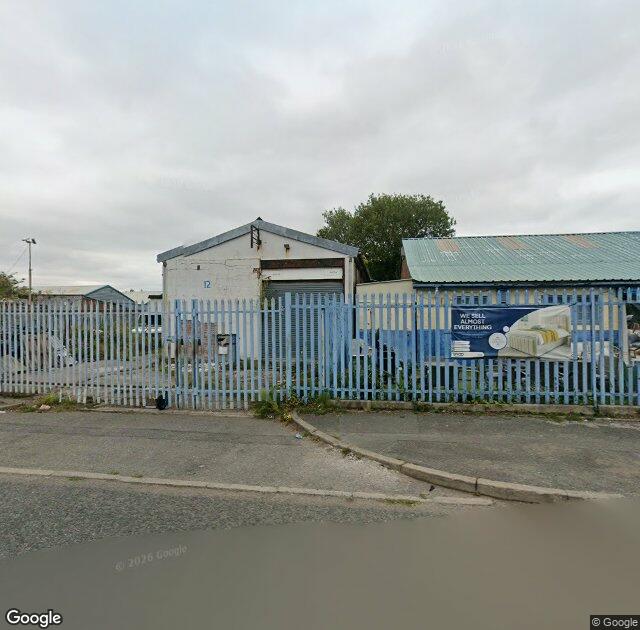
COMM Commercial Contractors Ltd, a Liverpool roofing and cladding contractor, was placed into administration on 15 May 2026. Mike Dillon and Katy McAndrew, partners at Leonard Curtis, are the joint administrators. The organisation operates from Stella Complex, Unit 3c, Newstet Road, Liverpool, L33 7TJ.
Company records show the firm is involved in building construction. Its registered activities include plumbing, heat and air conditioning installation (43290), other building completion and finishing (43390), and roofing activities (43910).
Warrann Hughes and Michael Andrew Ward were the directors at the time of the administration notice. Previous directors include Warrann Hughes, who resigned on 1 November 2024, Daniel Knight, who resigned on 10 March 2025, and Michael King, who resigned on 7 February 2020.
What this means for creditors and customers
Administration is a formal insolvency process where Mike Dillon and Katy McAndrew take control of the company. Their aim is to rescue the business, get a better result for creditors than a winding up would provide, or sell assets to pay secured and preferential creditors.
The joint administrators will contact creditors with details of the process. Creditors must submit a proof of debt form to claim money they are owed. This form must include the total amount and any evidence to support the claim.
A moratorium is now in place under paragraph 43 of Schedule B1 of the Insolvency Act 1986. This stops creditors from starting or continuing legal action against the company without permission from the court. Customers who have paid for services they did not receive are usually treated as unsecured creditors.
Administrators will assess claims from employees for unpaid wages, notice pay, or redundancy. The Redundancy Payments Service can process claims for statutory redundancy pay and other entitlements within set legal limits.
Common questions
Are you owed money by Comm Commercial Contractors Limited?
You are an unsecured creditor unless you hold a registered charge or retention of title. The administrators will write to known creditors in due course with a proof-of-debt form and timetable for the first meeting. Until that letter arrives, no formal action is required from you. Read more about proof of debt and where you sit in the creditor hierarchy.
Did you work at Comm Commercial Contractors Limited?
Wages owed up to a statutory cap, holiday pay, notice pay and redundancy may be claimable from the Redundancy Payments Service if the company is unable to pay. The administrators will normally coordinate the RP1 claim with the affected staff. See gov.uk: your rights if your employer is insolvent.
Do you hold a deposit, gift card or undelivered order from Comm Commercial Contractors Limited?
Customers with paid-but-undelivered orders, gift cards or deposits typically rank as unsecured creditors. Where you paid by credit card and the amount was over £100, Section 75 of the Consumer Credit Act 1974 may let you claim from the card issuer for breach of contract or misrepresentation by the supplier; the rules apply per item, not per transaction, and the card must be a regulated credit card. Debit-card payments may be recoverable via chargeback.
Are you a director of a company connected to Comm Commercial Contractors Limited?
Watch for Section 216 of the Insolvency Act 1986 if you intend to keep trading under a similar name in a successor company. The rule prohibits a director of a liquidated company from being involved in another company using the same or a similar name for five years, unless one of the statutory exceptions applies. Read more about Section 216.
Sources
- The London Gazette notice (code Appointment of Administrators)
- Companies House record 11020162
- Court: High Court of Justice
- Editorial standards: how we source and review; five-pass pipeline.